Your Gateway to Vietnam's Underwater Paradise

Diving Phu Quoc Island Vietnam offers one of Southeast Asia's most rewarding underwater experiences. With pristine coral reefs, warm waters, and sites for all skill levels, it's a diver's paradise.
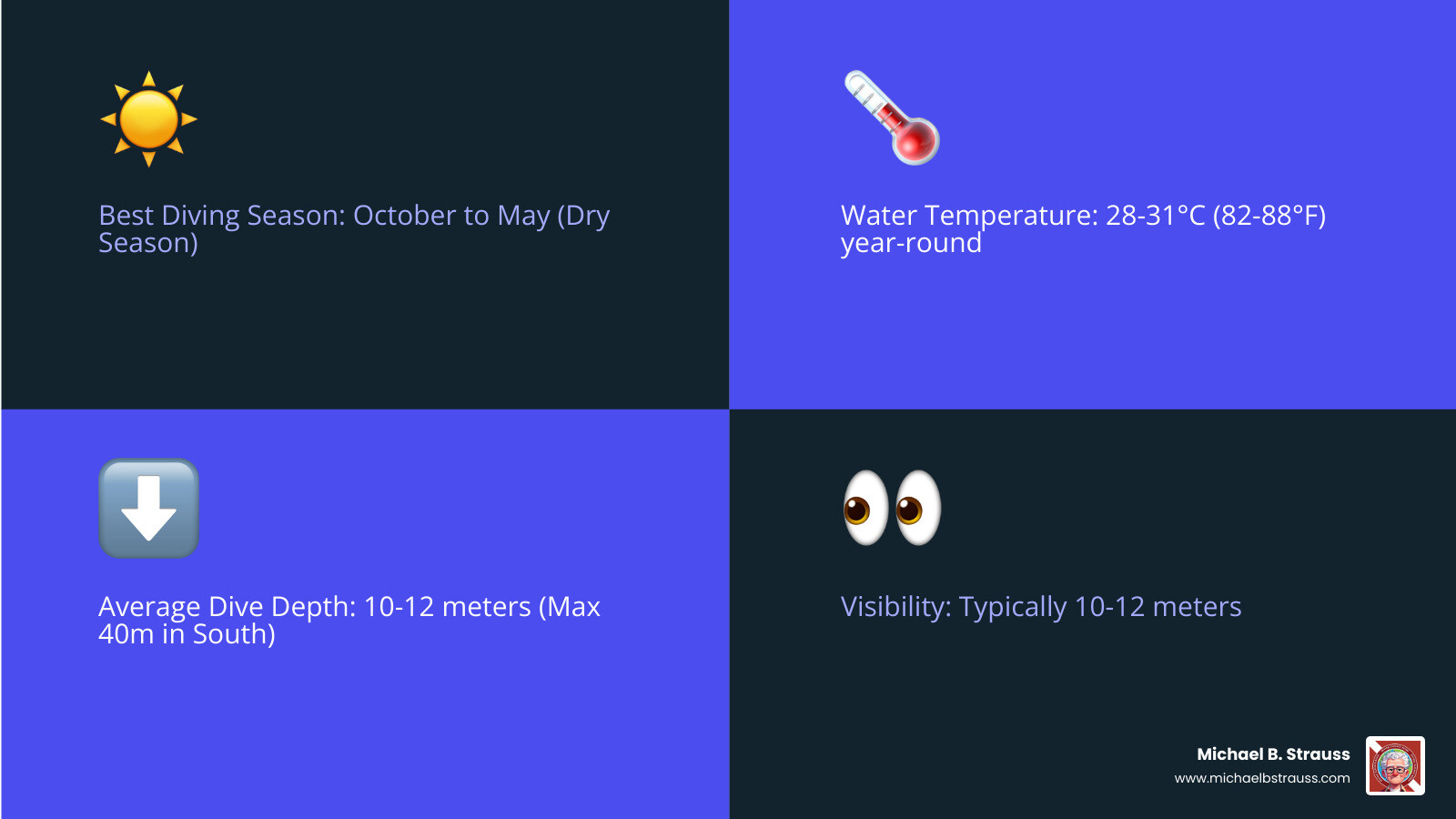
Quick Facts for Diving Phu Quoc:
- Best Season: October to May (dry season)
- Water Temperature: 28-31°C (82-88°F) year-round
- Average Depth: 10-12 meters (ideal for beginners)
- Maximum Depth: Up to 40 meters (southern sites)
- Visibility: Typically 10-12 meters
- Main Dive Areas: North (Turtle Island) and South (An Thoi Archipelago)
- Marine Life: 400+ hard coral species, reef fish, nudibranchs, octopus, occasional bamboo sharks
Located in the Gulf of Thailand, Phu Quoc is Vietnam's largest island and a protected marine park. Its proximity to the Mekong Delta creates nutrient-rich waters, supporting the best hard coral growth in all of Vietnam.
Phu Quoc is ideal for both new and certified divers, featuring calm, shallow waters that average 10-12 meters deep. This makes it perfect for learning and honing skills. The island has two main dive regions: the sheltered, beginner-friendly North (Turtle Island) and the more diverse, deeper South (An Thoi archipelago).
A well-established infrastructure with experienced instructors provides everything from introductory dives to full certification courses.
Diving phu quoc island vietnam terms to remember:
Your Ultimate Guide to Diving Phu Quoc Island, Vietnam
Phu Quoc, Vietnam's largest island, is a hotspot for underwater enthusiasts. This tropical paradise in the Gulf of Thailand offers a unique blend of tranquil beaches and a vibrant marine world, making it an excellent choice for a diving getaway.
Why Choose Phu Quoc for Your Next Dive?
Phu Quoc is a fantastic diving destination due to its ideal natural conditions and well-developed infrastructure. As a protected marine park, its aquatic ecosystems are preserved, ensuring healthy reefs. The water is a comfortable 28-31°C (82-88°F) year-round, eliminating the need for thick wetsuits.
Many dive sites are calm and shallow, with an average depth of 10-12 meters, creating a safe and relaxed environment for beginners. Even experienced divers appreciate these conditions for leisurely exploration. A unique feature of diving Phu Quoc Island Vietnam is its exceptional hard coral growth. Thanks to nutrient-rich waters from the Mekong Delta, the island boasts nearly 400 species, creating stunning underwater gardens. Phu Quoc caters to all levels, from first-timers to certified divers seeking new challenges.

Planning Your Dive: Best Times, Conditions, and Locations
Timing is key for a great dive trip. The best time to dive in Phu Quoc is during the dry season, from October to May, with peak conditions (clearest water, calmest seas) from October to April.
Here's what to expect:
- Water Temperature: A warm 28-31°C (82-88°F) year-round.
- Visibility: Generally good, up to 12 meters. Proximity to the Mekong Delta can sometimes reduce visibility but also enriches the ecosystem.
- Average Depth: Most diving is shallow, around 10-12 meters.
- Maximum Depth: Experienced divers can find sites up to 40 meters, especially in the south.
Phu Quoc's two main diving regions offer different experiences.
| Feature | North Phu Quoc (e.g., Turtle Island) | South Phu Quoc (e.g., An Thoi Archipelago) |
|---|---|---|
| Accessibility | More sheltered, often closer to main tourist hubs. | More exposed to changing conditions, requires longer boat rides. |
| Depth | Very shallow, often 3-4 meters, maximum 7-8 meters for recreation. | Deeper, average 12 meters, maximum up to 40 meters. |
| Marine Life Variety | Good for beginners, small reef fish, some corals. | Richer marine life, more diverse coral ecosystems, potential for rarer sightings. |
| Currents | Generally very calm, ideal for learning. | Can experience stronger currents, more challenging for beginners. |
| Best For | Beginners, Find Scuba Diving, Open Water courses, snorkeling. | Certified divers, advanced courses, greater exploration. |
The northern sites, like Turtle Island (Hon Doi Moi), are sheltered and very shallow, making them perfect for snorkeling and introductory dives. The southern An Thoi archipelago offers a greater variety of deeper sites with richer marine life, which is ideal for experienced divers. However, southern sites are more exposed to weather and currents, so dive operators assess conditions daily to select the best spots.
What You'll See: Marine Life in Phu Quoc
While Phu Quoc isn't known for megafauna, its underwater world is full of vibrant coral gardens and diverse macro life. The island is home to nearly 400 species of hard coral and an abundance of soft corals.
Among the reefs, you'll spot a variety of fish, including colorful damselfish, pufferfish, and moray eels. Camouflaged creatures like scorpionfish are also common.
For macro enthusiasts, Phu Quoc is a great destination. Look for numerous species of colorful nudibranchs (sea slugs) and cuttlefish, which are masters of disguise. You may also find crustaceans, sea cucumbers, and the occasional octopus.
While large animals are rare, you might get a special sighting of a small, shy bamboo shark or a blue-spotted stingray. The beauty of diving Phu Quoc Island Vietnam lies in its thriving, accessible coral ecosystems and the intricate smaller life forms that inhabit them.

To understand more about how marine animals adapt to their underwater environments, you can dig into More about the science of marine animals.
Diving Activities and Courses in Phu Quoc Island, Vietnam
Phu Quoc caters to every level of water enthusiast.
Snorkeling is popular in the calm, shallow waters, with many tours available.
For those curious about breathing underwater, a Find Scuba Diving (DSD) experience is a perfect one-day introduction. Under instructor supervision, you'll learn basic skills and complete two shallow dives. No prior experience is needed (minimum age 10).
Certified divers can join Fun Dives to explore the island's best sites with local guides.
Phu Quoc is also an excellent place for Diving Certification Courses:
- Open Water Diver: The 3-4 day entry-level certification to dive independently with a buddy.
- Advanced Open Water Diver: Expands on your skills with five adventure dives, including deep and navigation dives.
- Rescue Diver: A challenging but rewarding course on preventing and managing dive emergencies.
- Specialty Courses: Fine-tune your skills with courses like Enriched Air Diver (Nitrox), Deep Diver, and more.
- Scuba Refresher Course: A great way to review skills if you haven't dived in a while.
Here’s a general idea of the typical costs for diving activities in Phu Quoc:
- Snorkeling tours: Generally range from around $30 to $50 per person.
- Find Scuba Diving (DSD): Often priced around $100 for two introductory dives.
- Fun Dives (for certified divers): Usually cost between $70 and $90 for two dives.
- Open Water Diver Course: Typically ranges from $390 to $440.
- Advanced Open Water Diver Course: Commonly around $400.
These prices generally include equipment, instruction, and boat trips.
Essential Trip Planning for Diving Phu Quoc Island, Vietnam
Planning your trip to Phu Quoc is straightforward.
How to Get There:
- By Air: Fly into Phu Quoc International Airport (PQC) from major Vietnamese cities like Ho Chi Minh City and Hanoi, or from regional hubs like Singapore.
- By Ferry: Fast ferries are available from Rach Gia or Ha Tien on the mainland (1.5-2.5 hours).
On-Island Transport:Taxis, ride-hailing apps, and motorbike rentals are common. Many dive centers and hotels offer transfers.
Accommodation Options:Phu Quoc has everything from luxury resorts to budget guesthouses. Many are located near dive centers in Duong Dong town or along Long Beach. Book in advance during peak season.
Choosing a Dive Center:Look for highly-rated certified operators with small groups, quality equipment (e.g., BAUER compressors), and experienced, multilingual instructors. Check online reviews for customer feedback.
Other Water Activities:Besides diving, you can enjoy night squid fishing, sailing, kayaking, and paddleboarding.
Safety First: Diving Regulations and Best Practices
Prioritizing safety is crucial for an enjoyable diving experience. Dr. Michael B. Strauss, a renowned expert in diving safety, offers invaluable insights in his comprehensive diving books, which are essential reads for all divers.
When diving Phu Quoc Island Vietnam, always follow these best practices:
- Choose Reputable Dive Operators: Select certified centers with experienced instructors, well-maintained equipment, and clear safety protocols. Top operators use high-quality gear and certified breathing air compressors.
- Attend Pre-Dive Briefings: Pay close attention to information about the dive site, conditions, and emergency procedures.
- No Alcohol Before Diving: Alcohol impairs judgment and increases risk.
- Post-Dive Flight Restrictions: Wait at least 12 hours after a single dive and 18 hours after multiple dives before flying to prevent decompression sickness.
- Medical Fitness: Be honest about your medical history. Conditions like heart problems, asthma, or high blood pressure require a doctor's clearance to dive.
- Buddy System: Always dive with a buddy and stay together.
- Stay Within Limits: Never dive beyond your training or comfort level.
Understanding the science behind diving safety is paramount. We encourage you to learn more about Decompression Science and how to handle Managing potential diving-related medical issues.
Conclusion: Dive into Your Phu Quoc Adventure
Phu Quoc Island stands out as a premier destination for diving Phu Quoc Island Vietnam. With its warm waters, vibrant coral reefs, and diverse marine life, it offers an unforgettable experience for everyone, from beginners to advanced divers. Whether you explore the calm northern sites or the richer southern archipelago, a captivating underwater world awaits.
We've covered when to go, what you'll see, and how to plan your trip safely. The island's appeal lies in its natural splendor and its accessible, professional dive community.
As you start on your underwater journey, safety is non-negotiable. To deepen your understanding of safe diving practices, consider the comprehensive diving books by Dr. Michael B. Strauss. His expert insights are invaluable for ensuring every dive is both breathtaking and safe.
So pack your bags, grab your mask, and get ready to find the magic beneath the waves of Phu Quoc. Your next great adventure awaits! For more resources to improve your diving knowledge, we invite you to Explore more diving resources.
Ready to master the principles of safe diving? Purchase your copy of Diving Science Revisited here.
DISCLAIMER: Articles are for "EDUCATIONAL PURPOSES ONLY", not to be considered advice or recommendations.


