Read story

Understanding the Critical Importance of Decompression Sickness Prevention

How do you prevent decompression sickness? The six essential prevention strategies are: 1) Plan your dive conservatively and follow dive tables or computer limits, 2) Ascend slowly at a controlled rate, 3) Always perform safety stops at 15-20 feet for 3-5 minutes, 4) Use a dive computer to monitor your dive profile in real-time, 5) Stay well-hydrated, rested, and fit before diving, and 6) Follow flying-after-diving rules by waiting at least 12-18 hours before air travel.

Decompression sickness (DCS)—often called "the bends" for the joint pain that can double a person over—affects an estimated 3 out of every 10,000 recreational dives. While rare, the consequences can be severe. During a dive, your body absorbs nitrogen from the air you breathe. The deeper and longer you dive, the more nitrogen dissolves into your tissues. If you ascend too quickly, this nitrogen forms bubbles in your blood and tissues, much like opening a carbonated drink too fast.

These bubbles can cause symptoms ranging from joint pain and numbness to paralysis. About 75% of DCS cases develop symptoms within the first hour after surfacing, though they can appear up to 48 hours later. The good news is that DCS is largely preventable through proper diving practices.

Why prevention matters more than treatment. While hyperbaric oxygen therapy is an effective treatment, prevention is always better. Even with prompt care, some divers experience residual effects. Understanding and mitigating risk factors is key.
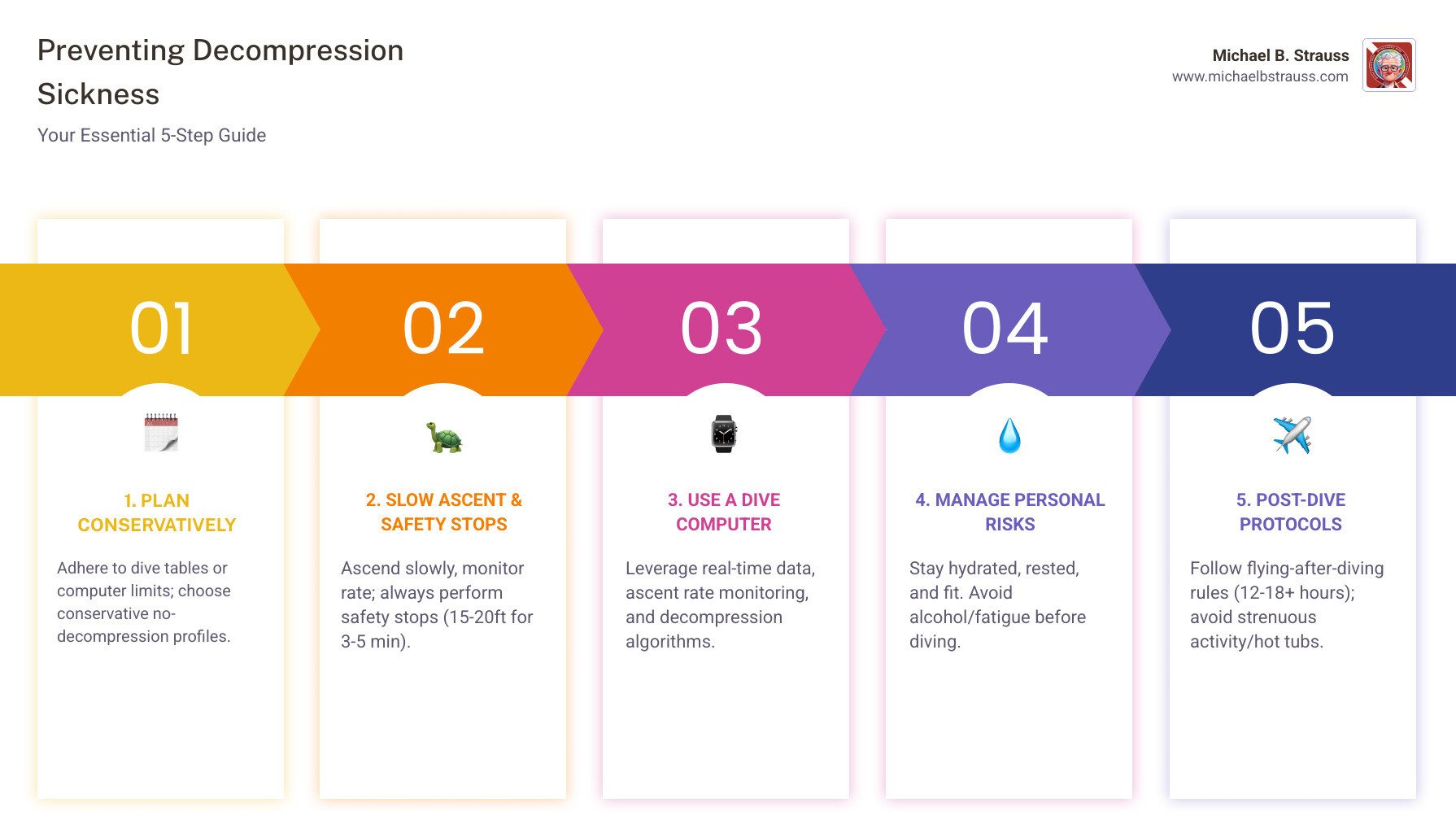
How to prevent decompression sickness infographic showing the six essential prevention steps: plan your dive with conservative profiles, ascend slowly at proper rates, perform mandatory safety stops, use dive computers for real-time monitoring, maintain proper hydration and fitness levels, and follow post-dive altitude exposure guidelines including waiting periods before flying - how do you prevent decompression sickness infographic pillar-5-steps

This process is governed by Henry's Law: as pressure decreases on ascent, the solubility of gas in your tissues also decreases. A rapid ascent causes dissolved nitrogen to come out of solution too quickly, forming bubbles that can obstruct blood flow and damage tissue. For a deeper understanding of these processes, we recommend exploring More info about Decompression Science.

How Do You Prevent Decompression Sickness: Your Essential Guide

Prevention isn't just about following rules—it's about understanding your body, respecting the underwater environment, and making smart decisions. How do you prevent decompression sickness? Through a combination of careful planning, disciplined execution, and awareness of personal health factors. Let's walk through the six essential strategies.

How to Prevent Decompression Sickness Before and During Your Dive

The foundation of DCS prevention begins before you enter the water and continues throughout your dive. These first four strategies are your primary defense.

1. Plan Your Dive Conservatively and Follow Dive Tables or Computer Limits

There's an old diving saying: "Plan your dive, dive your plan." Before you splash in, you need a clear picture of your maximum depth and bottom time. A conservative plan means staying well within your no-decompression limits (NDLs), not pushing them. Since some divers develop DCS even within table limits, building in a personal safety margin is crucial. For example, if your NDL is 55 minutes, plan for 45. This buffer is especially important in cold water or during strenuous dives. Also, avoid "yo-yo" diving (multiple ascents and descents), as this complicates nitrogen off-gassing. Your computer doesn't know if you're cold or working hard, so you must account for these factors.

2. Ascend Slowly at a Controlled Rate

Your ascent demands full attention. As you rise, ambient pressure drops, and the dissolved nitrogen needs time to exit safely through your lungs. Rushing this process causes bubbles to form where they shouldn't. Most training agencies recommend ascending no faster than 30 feet (9 meters) per minute. Your dive computer will typically alert you if you're going too fast, but it's wise to develop an internal sense of proper ascent speed. This slow, controlled ascent is your body's fundamental requirement for adapting to changing pressure.

3. Always Perform Safety Stops at 15-20 Feet for 3-5 Minutes

Even if your dive computer gives you the all-clear, don't skip your safety stop. This pause at 15-20 feet (5-6 meters) for 3-5 minutes is a critical safety measure. Think of it as your body's final chance to release excess nitrogen before you reach the surface, where the pressure drop is greatest. It's an insurance policy against silent bubble formation that could make the difference between a safe dive and a trip to the hyperbaric chamber.

4. Use a Dive Computer
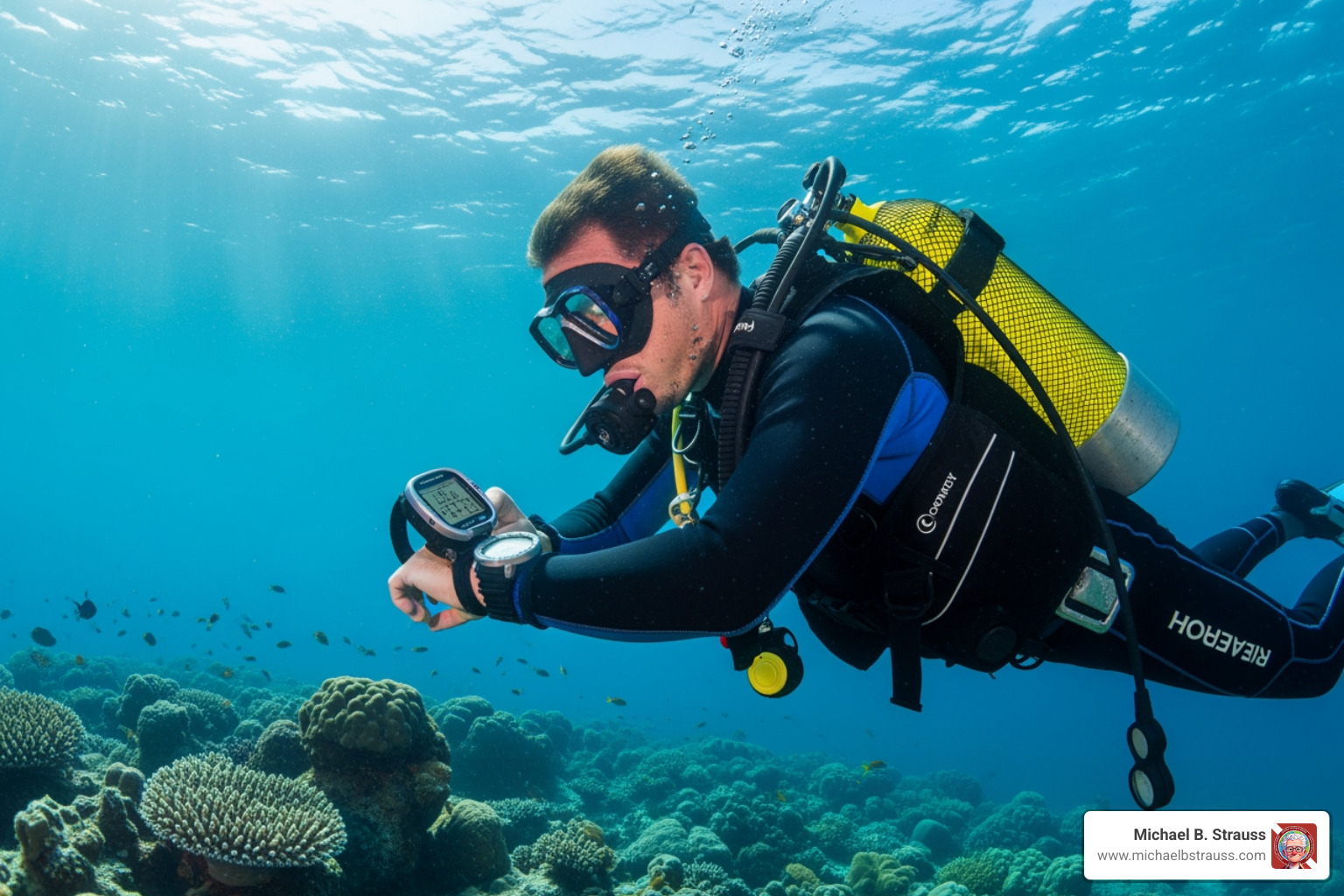
diver checking dive computer - how do you prevent decompression sickness

A dive computer is like a personal safety advisor on your wrist, tracking your actual dive profile in real-time to calculate your specific nitrogen load. It displays your remaining NDLs, warns you of rapid ascents, and tracks residual nitrogen for repetitive dives. However, a dive computer is only a tool. It models average physiology and cannot account for personal factors like cold, fatigue, dehydration, or fitness level. For this reason, many divers set their computers to more conservative algorithms. Always use your own judgment to assess conditions and make informed decisions.

How to Prevent Decompression Sickness by Managing Personal Risk Factors

Following dive protocols is only half the equation. Your personal health and lifestyle choices play an equally crucial role.

5. Stay Hydrated, Rested, and Mindful of Personal Health

Your body's condition before you dive significantly impacts how well you'll handle nitrogen.

  • Hydration: Dehydration thickens blood and hinders nitrogen elimination. Drink plenty of water, especially in tropical climates. Avoid alcohol, as it's a diuretic and impairs judgment.
  • Rest and Fitness: Fatigue clouds judgment and reduces your body's resilience. Get adequate sleep before diving. Good cardiovascular fitness improves circulation, helping your body manage nitrogen more efficiently.
  • Body Composition and Age: Nitrogen is more soluble in fat, so individuals with higher body fat may want to plan more conservatively. Circulation can also decline with age, warranting a more cautious approach.
  • Medical Conditions: Certain conditions increase DCS risk. A Patent Foramen Ovale (PFO), a small hole in the heart, can allow bubbles to bypass the lungs. Lung diseases, insulin-dependent diabetes, and other heart defects also require consultation with a physician knowledgeable in dive medicine before you dive. Learn more about Why and at What Sites Decompression Sickness Can Occur.

Recognizing symptoms early is life-saving. Watch for:

  • Joint pain (especially shoulders, elbows, hips, or knees)
  • Numbness or tingling
  • Dizziness or vertigo
  • Extreme fatigue
  • Skin rash (a mottled, reddish-blue pattern)
  • Muscle weakness, confusion, or shortness of breath

Critical Post-Dive Protocols to Avoid DCS

Your responsibility doesn't end when you surface. The hours following your dive require continued vigilance.

6. Follow Flying After Diving Rules and Other Post-Dive Precautions

airport departure board with no-fly symbol - how do you prevent decompression sickness

Never fly immediately after diving. The reduced cabin pressure in aircraft (equivalent to 6,000-8,000 feet) acts like a rapid ascent and can trigger DCS. The solution is to wait.

Dive ProfileMinimum Wait Time Before Flying
Single no-decompression dive12 hours
Multiple dives or multi-day diving18 hours
Dives requiring decompression stops24-48 hours

These minimums also apply to other altitude exposures, like mountain driving above 2,000 feet. Post-dive, also avoid hot tubs, saunas, strenuous exercise, and heavy alcohol consumption, as these can promote bubble formation.

If you or a buddy show any signs of DCS, act immediately. Administer 100% oxygen—the single most important first aid step. Keep the person lying flat and hydrated (if conscious), and call emergency services. Contact Divers Alert Network (DAN) for expert guidance. These symptoms can also indicate an Arterial Gas Embolism (AGE), which is caused by lung over-expansion. While the cause is different from DCS, the first aid is identical: administer 100% oxygen and seek immediate emergency medical care. Both are serious emergencies.

Conclusion: Dive Safely and Confidently

Every dive is a gift that comes with responsibility. By understanding how do you prevent decompression sickness and internalizing these six strategies, we protect ourselves and the entire diving community. A culture of safety—planning conservatively, ascending slowly, performing safety stops, using computers wisely, managing personal health, and following post-dive rules—ensures every descent is matched by a healthy ascent.

With proper precautions, DCS is rare, and prompt treatment with hyperbaric oxygen therapy offers a good prognosis for most divers. However, severe cases can lead to long-term complications like osteonecrosis, which is why prevention is always the best approach. If you ever suspect DCS, administer 100% oxygen and contact emergency services and Divers Alert Network (DAN) immediately.

Education is our most powerful ally. Dr. Michael B. Strauss has dedicated his career to diving safety, and his comprehensive books offer deep insights for both new and experienced divers. To continue expanding your knowledge and fuel your passion for the underwater world, get your copy of Diving Science Revisited here: https://www.bestpub.com/view-all-products/product/diving-science-revisited/category_pathway-48.html

Dive smart, dive safe, and dive often. The ocean is waiting.

DISCLAIMER: Articles are for "EDUCATIONAL PURPOSES ONLY", not to be considered advice or recommendations.

Download Full PDF
Tags:

Understanding the Critical Importance of Decompression Sickness Prevention

How do you prevent decompression sickness? The six essential prevention strategies are: 1) Plan your dive conservatively and follow dive tables or computer limits, 2) Ascend slowly at a controlled rate, 3) Always perform safety stops at 15-20 feet for 3-5 minutes, 4) Use a dive computer to monitor your dive profile in real-time, 5) Stay well-hydrated, rested, and fit before diving, and 6) Follow flying-after-diving rules by waiting at least 12-18 hours before air travel.

Decompression sickness (DCS)—often called "the bends" for the joint pain that can double a person over—affects an estimated 3 out of every 10,000 recreational dives. While rare, the consequences can be severe. During a dive, your body absorbs nitrogen from the air you breathe. The deeper and longer you dive, the more nitrogen dissolves into your tissues. If you ascend too quickly, this nitrogen forms bubbles in your blood and tissues, much like opening a carbonated drink too fast.

These bubbles can cause symptoms ranging from joint pain and numbness to paralysis. About 75% of DCS cases develop symptoms within the first hour after surfacing, though they can appear up to 48 hours later. The good news is that DCS is largely preventable through proper diving practices.

Why prevention matters more than treatment. While hyperbaric oxygen therapy is an effective treatment, prevention is always better. Even with prompt care, some divers experience residual effects. Understanding and mitigating risk factors is key.

How to prevent decompression sickness infographic showing the six essential prevention steps: plan your dive with conservative profiles, ascend slowly at proper rates, perform mandatory safety stops, use dive computers for real-time monitoring, maintain proper hydration and fitness levels, and follow post-dive altitude exposure guidelines including waiting periods before flying - how do you prevent decompression sickness infographic pillar-5-steps

This process is governed by Henry's Law: as pressure decreases on ascent, the solubility of gas in your tissues also decreases. A rapid ascent causes dissolved nitrogen to come out of solution too quickly, forming bubbles that can obstruct blood flow and damage tissue. For a deeper understanding of these processes, we recommend exploring More info about Decompression Science.

How Do You Prevent Decompression Sickness: Your Essential Guide

Prevention isn't just about following rules—it's about understanding your body, respecting the underwater environment, and making smart decisions. How do you prevent decompression sickness? Through a combination of careful planning, disciplined execution, and awareness of personal health factors. Let's walk through the six essential strategies.

How to Prevent Decompression Sickness Before and During Your Dive

The foundation of DCS prevention begins before you enter the water and continues throughout your dive. These first four strategies are your primary defense.

1. Plan Your Dive Conservatively and Follow Dive Tables or Computer Limits

There's an old diving saying: "Plan your dive, dive your plan." Before you splash in, you need a clear picture of your maximum depth and bottom time. A conservative plan means staying well within your no-decompression limits (NDLs), not pushing them. Since some divers develop DCS even within table limits, building in a personal safety margin is crucial. For example, if your NDL is 55 minutes, plan for 45. This buffer is especially important in cold water or during strenuous dives. Also, avoid "yo-yo" diving (multiple ascents and descents), as this complicates nitrogen off-gassing. Your computer doesn't know if you're cold or working hard, so you must account for these factors.

2. Ascend Slowly at a Controlled Rate

Your ascent demands full attention. As you rise, ambient pressure drops, and the dissolved nitrogen needs time to exit safely through your lungs. Rushing this process causes bubbles to form where they shouldn't. Most training agencies recommend ascending no faster than 30 feet (9 meters) per minute. Your dive computer will typically alert you if you're going too fast, but it's wise to develop an internal sense of proper ascent speed. This slow, controlled ascent is your body's fundamental requirement for adapting to changing pressure.

3. Always Perform Safety Stops at 15-20 Feet for 3-5 Minutes

Even if your dive computer gives you the all-clear, don't skip your safety stop. This pause at 15-20 feet (5-6 meters) for 3-5 minutes is a critical safety measure. Think of it as your body's final chance to release excess nitrogen before you reach the surface, where the pressure drop is greatest. It's an insurance policy against silent bubble formation that could make the difference between a safe dive and a trip to the hyperbaric chamber.

4. Use a Dive Computer

diver checking dive computer - how do you prevent decompression sickness

A dive computer is like a personal safety advisor on your wrist, tracking your actual dive profile in real-time to calculate your specific nitrogen load. It displays your remaining NDLs, warns you of rapid ascents, and tracks residual nitrogen for repetitive dives. However, a dive computer is only a tool. It models average physiology and cannot account for personal factors like cold, fatigue, dehydration, or fitness level. For this reason, many divers set their computers to more conservative algorithms. Always use your own judgment to assess conditions and make informed decisions.

How to Prevent Decompression Sickness by Managing Personal Risk Factors

Following dive protocols is only half the equation. Your personal health and lifestyle choices play an equally crucial role.

5. Stay Hydrated, Rested, and Mindful of Personal Health

Your body's condition before you dive significantly impacts how well you'll handle nitrogen.

  • Hydration: Dehydration thickens blood and hinders nitrogen elimination. Drink plenty of water, especially in tropical climates. Avoid alcohol, as it's a diuretic and impairs judgment.
  • Rest and Fitness: Fatigue clouds judgment and reduces your body's resilience. Get adequate sleep before diving. Good cardiovascular fitness improves circulation, helping your body manage nitrogen more efficiently.
  • Body Composition and Age: Nitrogen is more soluble in fat, so individuals with higher body fat may want to plan more conservatively. Circulation can also decline with age, warranting a more cautious approach.
  • Medical Conditions: Certain conditions increase DCS risk. A Patent Foramen Ovale (PFO), a small hole in the heart, can allow bubbles to bypass the lungs. Lung diseases, insulin-dependent diabetes, and other heart defects also require consultation with a physician knowledgeable in dive medicine before you dive. Learn more about Why and at What Sites Decompression Sickness Can Occur.

Recognizing symptoms early is life-saving. Watch for:

  • Joint pain (especially shoulders, elbows, hips, or knees)
  • Numbness or tingling
  • Dizziness or vertigo
  • Extreme fatigue
  • Skin rash (a mottled, reddish-blue pattern)
  • Muscle weakness, confusion, or shortness of breath

Critical Post-Dive Protocols to Avoid DCS

Your responsibility doesn't end when you surface. The hours following your dive require continued vigilance.

6. Follow Flying After Diving Rules and Other Post-Dive Precautions

airport departure board with no-fly symbol - how do you prevent decompression sickness

Never fly immediately after diving. The reduced cabin pressure in aircraft (equivalent to 6,000-8,000 feet) acts like a rapid ascent and can trigger DCS. The solution is to wait.

Dive ProfileMinimum Wait Time Before Flying
Single no-decompression dive12 hours
Multiple dives or multi-day diving18 hours
Dives requiring decompression stops24-48 hours

These minimums also apply to other altitude exposures, like mountain driving above 2,000 feet. Post-dive, also avoid hot tubs, saunas, strenuous exercise, and heavy alcohol consumption, as these can promote bubble formation.

If you or a buddy show any signs of DCS, act immediately. Administer 100% oxygen—the single most important first aid step. Keep the person lying flat and hydrated (if conscious), and call emergency services. Contact Divers Alert Network (DAN) for expert guidance. These symptoms can also indicate an Arterial Gas Embolism (AGE), which is caused by lung over-expansion. While the cause is different from DCS, the first aid is identical: administer 100% oxygen and seek immediate emergency medical care. Both are serious emergencies.

Conclusion: Dive Safely and Confidently

Every dive is a gift that comes with responsibility. By understanding how do you prevent decompression sickness and internalizing these six strategies, we protect ourselves and the entire diving community. A culture of safety—planning conservatively, ascending slowly, performing safety stops, using computers wisely, managing personal health, and following post-dive rules—ensures every descent is matched by a healthy ascent.

With proper precautions, DCS is rare, and prompt treatment with hyperbaric oxygen therapy offers a good prognosis for most divers. However, severe cases can lead to long-term complications like osteonecrosis, which is why prevention is always the best approach. If you ever suspect DCS, administer 100% oxygen and contact emergency services and Divers Alert Network (DAN) immediately.

Education is our most powerful ally. Dr. Michael B. Strauss has dedicated his career to diving safety, and his comprehensive books offer deep insights for both new and experienced divers. To continue expanding your knowledge and fuel your passion for the underwater world, get your copy of Diving Science Revisited here: https://www.bestpub.com/view-all-products/product/diving-science-revisited/category_pathway-48.html

Dive smart, dive safe, and dive often. The ocean is waiting.

DISCLAIMER: Articles are for "EDUCATIONAL PURPOSES ONLY", not to be considered advice or recommendations.