Why Hyperbaric Medicine Research Matters for Modern Healthcare
Hyperbaric medicine research is changing how we understand oxygen's role in healing, regeneration, and even aging. Here's what current science tells us:
Key Research Findings:
- Cellular Impact: HBOT alters gene expression, affecting anti-inflammatory and regenerative functions.
- Anti-Aging Effects: Studies show a significant increase in telomere length and a reduction in senescent (aging) cells after HBOT.
- Approved Applications: The FDA recognizes 14 specific conditions, from diabetic foot ulcers to carbon monoxide poisoning.
- Mechanism: Treatment involves breathing 100% oxygen at 2-3 times normal atmospheric pressure for 90-120 minutes.
Hyperbaric oxygen therapy (HBOT) has evolved significantly since the U.S. Navy began using it in the 1940s to treat deep-sea divers with decompression sickness. Today, researchers are exploring its potential to slow aging, accelerate wound healing, and support cancer treatment.
The science is straightforward: higher pressure forces more oxygen into the blood plasma. This oxygen-rich blood reaches damaged tissues that normal breathing can't supply. But HBOT doesn't just deliver oxygen—it triggers a cascade of cellular responses, promoting new blood vessel growth, mobilizing stem cells, and potentially protecting DNA from age-related damage. Understanding the gap between established uses and emerging applications is where the most exciting developments are happening.

Easy hyperbaric medicine research glossary:
Foundations of Hyperbaric Oxygen Therapy
Think of hyperbaric medicine research as exploring what happens when we give the body's healing systems a serious boost. At its foundation, hyperbaric oxygen therapy (HBOT) works on a simple principle: increase the pressure and flood the body with pure oxygen. This is based on Henry's Law, a physics principle stating that more gas dissolves into a liquid under higher pressure. Inside the chamber, you breathe 100% oxygen at 1.5 to 3 times normal pressure, forcing vast amounts of oxygen into your blood plasma. This super-oxygenated blood can then reach tissues starved of oxygen due to injury or poor circulation, promoting healing in ways normal oxygen delivery cannot.
The Science and History of HBOT
The story of hyperbaric medicine began in 1662, but the scientific groundwork was laid in the late 19th century by pioneers like Paul Bert, who described how pressurized oxygen affects the body. These early findies were critical for understanding both the benefits and risks of HBOT, such as oxygen toxicity.

The therapy became a life-saving treatment in the 1940s when the U.S. Navy used it for deep-sea divers with decompression sickness ("the bends"). HBOT helps shrink the dangerous nitrogen bubbles that form in the blood and tissues when divers ascend too quickly. You can learn more about these topics through resources on Diving Science, Decompression Science, and Why and at What Sites Decompression Sickness Can Occur.
By the 1960s, another critical use emerged: treating carbon monoxide poisoning. Because carbon monoxide binds to hemoglobin far more strongly than oxygen, it effectively suffocates cells. HBOT rapidly displaces the carbon monoxide, restoring oxygen transport. It's important to distinguish between diving medicine, which focuses on diving-related hazards, and clinical hyperbaric medicine, which applies HBOT to a broader range of medical conditions.
Approved Uses, Patient Experience, and Safety
The FDA has approved HBOT for fourteen specific conditions where its effectiveness is proven. These include:
- Decompression sickness
- Carbon monoxide poisoning
- Gas gangrene and gas embolism
- Diabetic foot ulcers that resist healing
- Radiation injury from cancer treatment
- Severe burns and crush injuries
- Compromised skin grafts and flaps
- Refractory osteomyelitis (bone infection)
- Severe anemia (when transfusions aren't possible)
- Intracranial abscess
- Sudden hearing loss
- Frostbite
For these approved uses, Medicare, Medicaid, and most private insurers typically provide coverage, though pre-authorization is common.
During a session, you lie inside a chamber as the pressure gradually increases, which may cause a temporary ear-plugging sensation. Sessions usually last 90-120 minutes, and many patients find the experience relaxing. While HBOT is generally safe, potential side effects exist. The most common is barotrauma to the middle ear, manageable with equalization techniques. Less common effects include temporary vision changes and fatigue. Serious complications like seizures from oxygen toxicity are rare but possible. Due to the high-oxygen environment, fire safety is paramount, and certain items are prohibited in the chamber.
An untreated collapsed lung (pneumothorax) is an absolute contraindication. Be cautious of clinics making unproven claims for conditions not approved by the FDA, such as Alzheimer's or autism.
Types of Chambers and Specialist Training
Hyperbaric chambers, regulated by the FDA since the 1970s, come in two main types.

Monoplace chambers are designed for a single patient and are pressurized with 100% oxygen.
Multiplace chambers are larger, room-sized units that can treat multiple patients at once. The chamber is filled with compressed air, and patients breathe pure oxygen through masks or hoods, allowing medical staff to be present for monitoring.
Operating these chambers requires extensive training. Hyperbaric physicians and technicians undergo rigorous, specialized education and certification to ensure patient safety. This includes foundational coursework, hands-on clinical experience, and critical care life support training. For those specializing in diving medicine, training is even more extensive, covering fitness-to-dive assessments and the management of diving emergencies. This high level of expertise is necessary to manage the unique high-pressure medical environment safely and effectively.
The Cutting Edge of Hyperbaric Medicine Research
The story of hyperbaric oxygen therapy doesn't end with treating divers and healing stubborn wounds. Today's hyperbaric medicine research is venturing into territory that would have seemed like science fiction just a few decades ago—turning back the cellular clock and regenerating damaged tissues.
Oxygen isn't just a drug; it's a powerful biological signal. When we increase oxygen levels under pressure, we're giving our cells a message to activate dormant healing processes throughout the body.
Cellular Rejuvenation: New Hyperbaric Medicine Research on Aging
We all want to age gracefully, but aging is a cellular process. Two key hallmarks are the shortening of telomeres (protective caps on our chromosomes) and the accumulation of senescent cells (retired cells that cause inflammation).
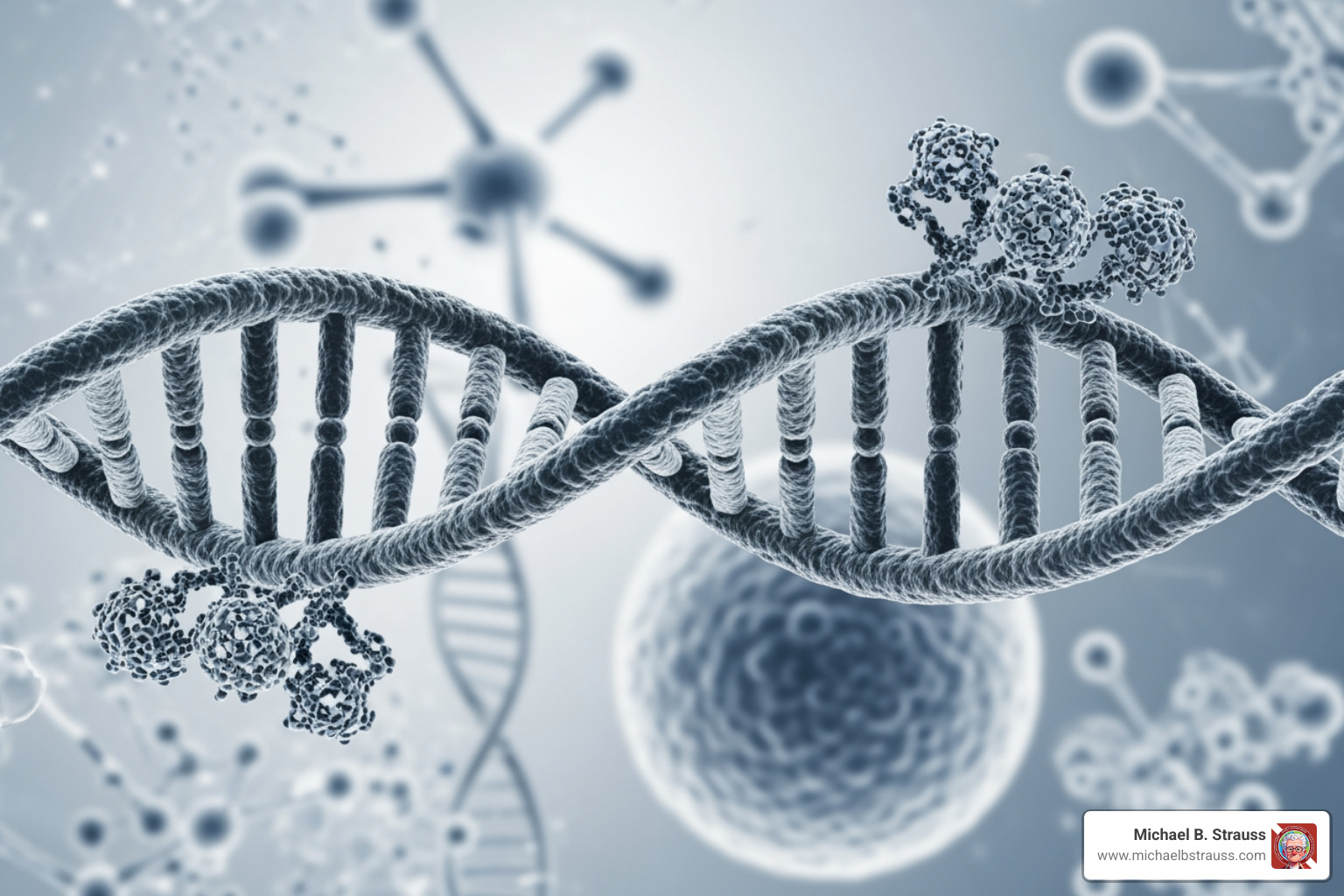
This is where hyperbaric medicine research gets exciting. HBOT appears to influence these fundamental aging processes through what's known as the "hyperoxic-hypoxic paradox." By alternating between high-oxygen (in the chamber) and normal-oxygen environments, the body triggers powerful regenerative responses.
A groundbreaking study showed HBOT can significantly increase telomere length and reduce the number of senescent cells. You can explore the details in this scientific research on telomere length. Beyond telomeres, HBOT also modulates gene expression, flipping switches that promote anti-inflammatory responses and activate regenerative pathways. These genetic changes may help counter the underlying causes of aging, such as declining mitochondrial function and weakening immune responses.
Regenerative Therapy: Insights from Hyperbaric Medicine Research
The regenerative power of HBOT is one of its most promising frontiers. We know it excels at healing chronic wounds and radiation-damaged tissue, but current hyperbaric medicine research shows its potential is much broader.
The key is that the flood of oxygen under pressure triggers a healing cascade. It stimulates the growth of new blood vessels (angiogenesis) and mobilizes stem cells from bone marrow—the body's own repair specialists. This shifts the body from a state of tissue breakdown to one of tissue building.
Researchers are now exploring HBOT's potential for neurocognitive improvement after traumatic brain injury and its ability to support cancer treatment. By re-oxygenating low-oxygen (hypoxic) tumor areas, HBOT may make cancer cells more vulnerable to radiation and chemotherapy. This remains an active area of research, and you can find an overview of future prospects here: Hyperbaric oxygen therapy: future prospects in regenerative therapy and anti-aging.
Compared to other regenerative approaches, HBOT is non-invasive, working by optimizing the body's own repair systems. However, it's crucial to distinguish proven benefits from unproven claims. While preliminary research is exploring benefits for many conditions, rigorous clinical trials are still needed. For a deeper dive into the science, comprehensive reviews are available at A General Overview on the Hyperbaric Oxygen Therapy: Applications, Mechanisms and Translational Opportunities and Frontiers | Hyperbaric Oxygen Therapy: Insights from Basic Research to Clinical Applications.
Conclusion: The Future of Oxygen Therapy and Diving Safety
Hyperbaric medicine research has taken us from treating deep-sea divers in the 1940s to exploring the frontiers of cellular aging. HBOT does more than deliver oxygen; it triggers healing cascades, stimulates new blood vessel growth, and mobilizes stem cells.
The FDA-approved applications—like treating diabetic ulcers, radiation injuries, and decompression sickness—remain the backbone of clinical practice. At the same time, exciting research into traumatic brain injury, cancer support, and anti-aging suggests a promising future.
For divers, the link between hyperbaric medicine and underwater safety is fundamental. The principles that treat decompression illness also inform safe diving practices. Dr. Michael B. Strauss has dedicated his career to bridging these worlds, bringing expert knowledge to both clinical medicine and recreational diving.
His comprehensive diving books, like Diving Science Revisited, are essential for any diver, offering life-saving knowledge on pressure, gas physiology, and emergency treatments. As research continues to uncover what oxygen can do under pressure, staying informed is key—both in the clinic and beneath the waves.
DISCLAIMER: Articles are for "EDUCATIONAL PURPOSES ONLY", not to be considered advice or recommendations.


