Why Marine Biology Comics Are Making Waves in Science Education
Marine biology comics are changing how we learn about ocean science, combining stunning visuals with scientific accuracy to make complex underwater concepts accessible to everyone. These educational resources range from peer-reviewed webcomics like Squidtoons to research-focused series that highlight real marine biologists and their groundbreaking findies.
Top Marine Biology Comics to Explore:
- Squidtoons - Over 60 comics and infographics that "illustrate science with farts, burps and giggles" while maintaining scientific rigor
- PHD Comics - Features marine biology research including coral bleaching and reef recovery studies
- Interviews with Invertebrates - Showcases real scientists and their research, including a Black in STEM series
- Nautibits - Presents ocean facts through humorous comic strips
- underdone comics - Uses illustrations to explain marine animal behaviors and conservation issues
As Garfield Kwan, creator of Squidtoons, finded during his undergraduate research at Scripps Institution of Oceanography, "if science can be shown visually, people will be more likely to understand it." This insight sparked a movement where marine biologists and artists collaborate to bridge the gap between complex research and public understanding.
These comics serve multiple purposes beyond entertainment. They're being incorporated into college textbooks, featured in aquarium exhibits, and used as teaching aids by educators worldwide. Each comic typically undergoes a peer-review process similar to scientific journals, ensuring accuracy while maintaining the engaging, accessible format that makes learning enjoyable.
The intersection of art and science creates powerful tools for ocean literacy - something increasingly important as we face marine conservation challenges. Whether you're a medical professional interested in diving medicine or simply curious about ocean life, these comics offer an engaging entry point into marine science.
A Curated List of Must-Read Marine Biology Comics
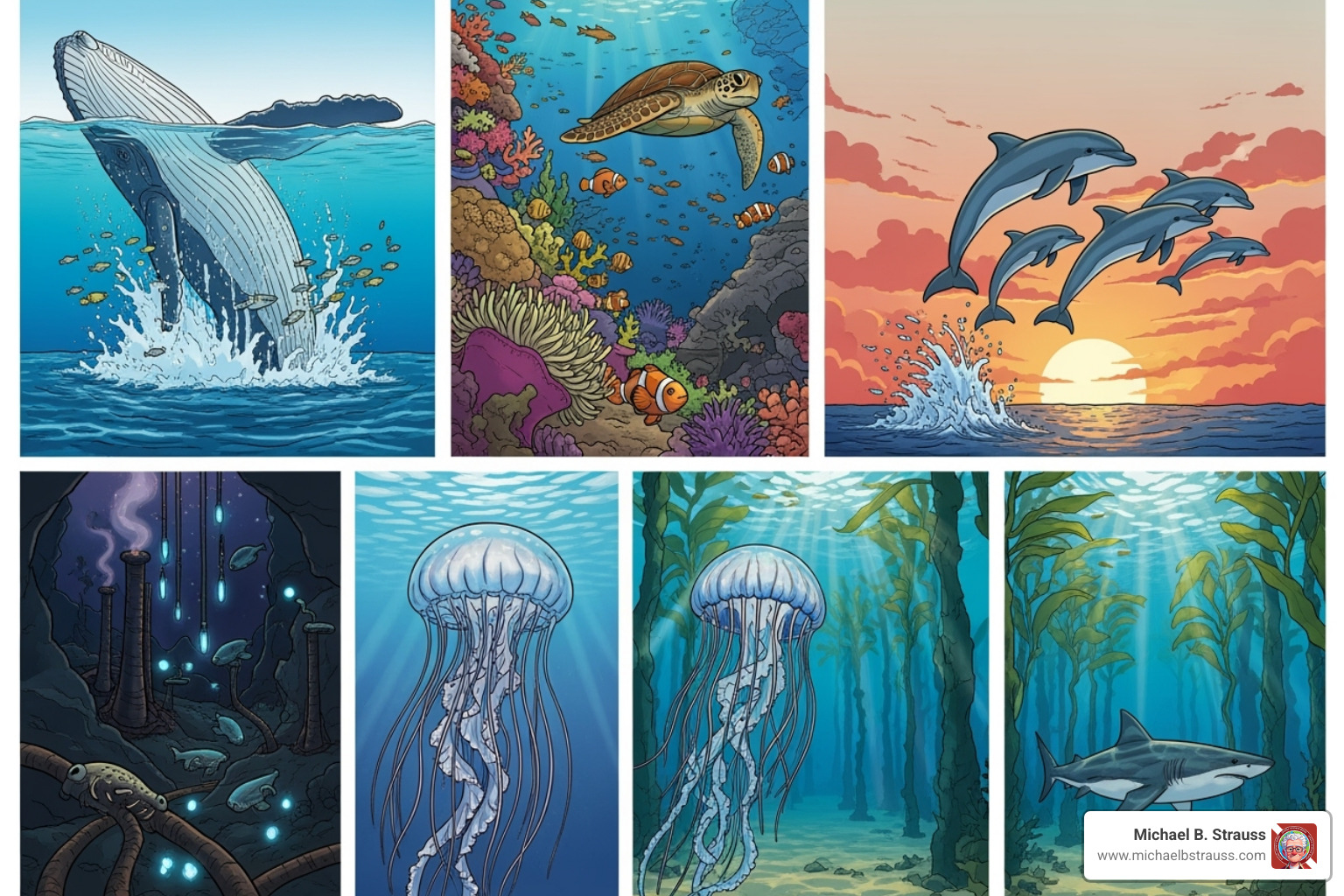
The ocean holds countless mysteries, from the tiniest plankton to massive whales. But let's be honest - marine biology textbooks can sometimes feel as dry as a beached jellyfish! That's where marine biology comics work their magic, changing complex scientific concepts into engaging visual stories that stick with you long after you've finished reading.
These comics do something remarkable: they make learning about coral bleaching, deep-sea creatures, and ocean ecosystems feel like an adventure rather than homework. Whether you're a curious beginner or someone who spends time underwater (like divers who need to understand marine environments), these comics offer a perfect blend of entertainment and education.
Let's explore some of the most captivating marine biology comics that are making waves in science communication today.
Educational and Hilarious: The Best Marine Biology Comics for Learning
Sometimes the best way to remember scientific facts is through a good laugh. Squidtoons has mastered this approach perfectly. Created by Garfield Kwan during his time as a marine biology graduate student at Scripps Institution of Oceanography, this series promises to "illustrate science with farts, burps and giggles" - and it delivers on that promise while maintaining serious scientific accuracy.
Kwan's journey began with frustration. He kept seeing media outlets misinterpret scientific studies, creating a growing gap between what researchers actually finded and what the public understood. Inspired by popular webcomics but noticing a glaring lack of marine science content, he decided to fill that void himself.
What sets Squidtoons apart is its commitment to getting the science right. Every comic starts with published research articles, then goes through a rigorous checking process with relevant researchers - basically a peer-review system for comics! This attention to detail has paid off spectacularly. Their work now appears in college textbooks and they've published a children's book called Squidtoons: Exploring Ocean Science with Comics. You can even find their work displayed at the Seymour Marine Findy Center in Santa Cruz, California.
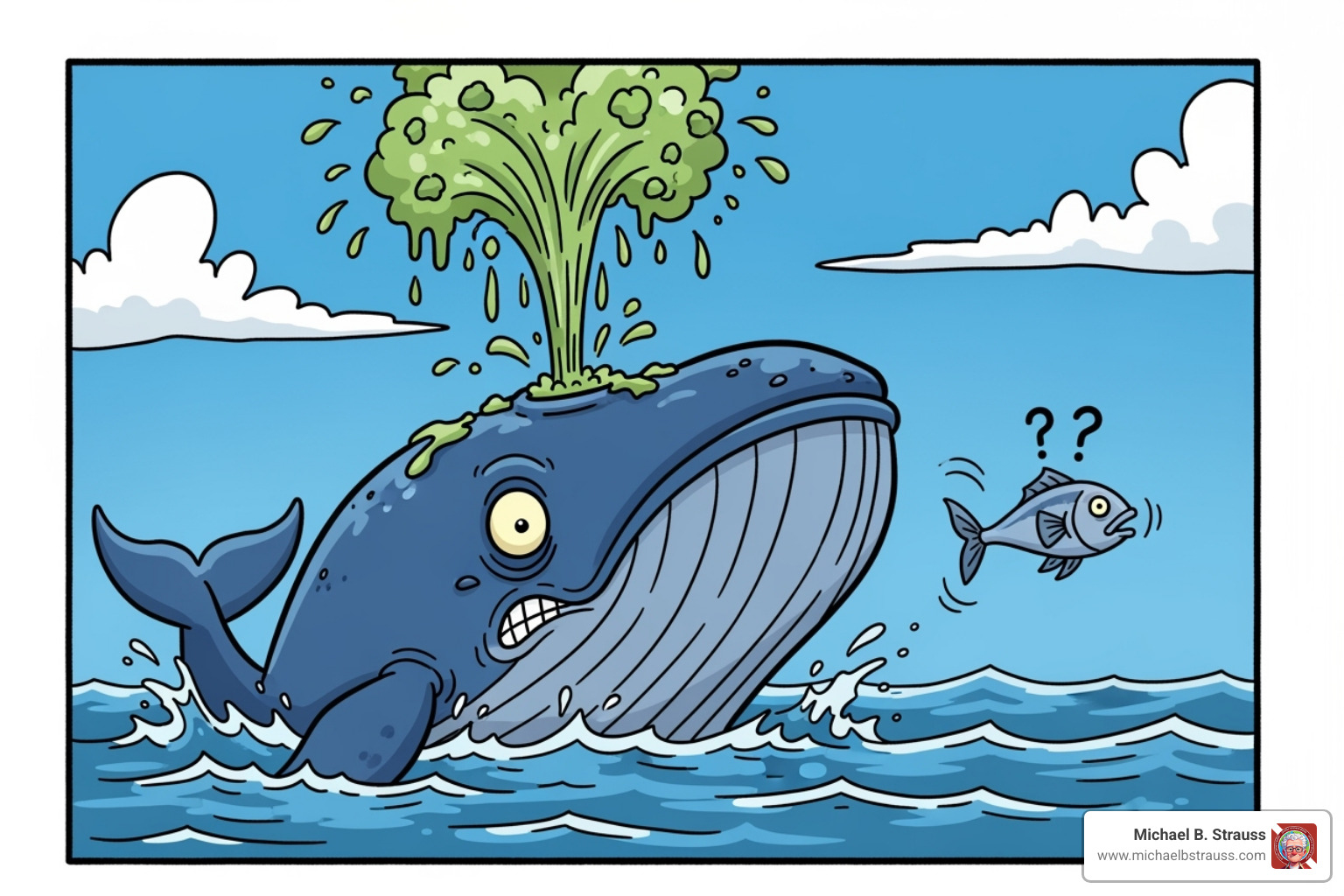
Some of their most memorable comics include "Regurgitated Gold," which explores the surprising value of whale vomit (ambergris) in the perfume industry, and "The Fallacy of Sharks," which tackles common shark myths while highlighting their crucial role in ocean ecosystems. With over 60 comics and infographics, Squidtoons proves that accurate science and belly laughs make perfect companions.
Nautibits takes a similarly entertaining approach, presenting ocean facts that are "100% certifiably true and accurate." The creator humorously claims expertise by virtue of having a marine biologist brother, but don't let the informal tone fool you - these comics deliver fascinating and reliable information about marine life in bite-sized, memorable pieces.
Highlighting the Scientists: Comics That Showcase Real Research
While educational comics are wonderful, some marine biology comics take us directly into real scientists, making their groundbreaking research accessible to everyone.
PHD Comics occasionally dives into marine biology topics with remarkable results. One standout example features Kate Furby's coral reef recovery research, using humor to explain complex concepts like coral biology, the calcium carbonate skeleton formation process, and the devastating phenomenon of coral bleaching. The comic brilliantly showcases Furby's innovative "Photomegatron" rig used to survey reefs and study how certain coral species bounce back from bleaching events.
Even more impressive is Interviews with Invertebrates, which puts real scientists and their research front and center. This platform has a special mission: promoting diversity in science by featuring underrepresented voices, including a dedicated "Black in STEM" series.
The impact is remarkable. Marine ecologist Mo Turner's research on intertidal food webs comes alive in comics like "tide bite," which playfully depicts sea stars as creatures "hungry for some junk food." Dr. Sophie George's work on how ocean salinity affects baby sea star swimming abilities becomes accessible through "salty sea stars." Isaiah Bolden's graduate research on how corals control reef chemistry through "inhaling" and "exhaling" transforms complex biochemistry into understandable concepts.
These comics do more than explain science - they humanize it. When readers see real researchers like Dr. Brodie working in her "Crab Lab" or learn about Michelle Boone's PhD research on endangered Rusty Patched Bumble Bees, science becomes personal and inspiring.
Understanding how marine organisms adapt to pressure changes in their environment connects to broader concepts of physiological adaptation - something that's also crucial for humans exploring underwater environments. This relates to important safety considerations like decompression science for those who venture into marine habitats themselves.
Narrative and Fandom: Exploring Marine Biology in Storytelling
Marine biology comics aren't limited to straightforward education. Some of the most creative and engaging content emerges when scientific concepts meet storytelling, pop culture, and internet creativity.
Platforms like Tumblr buzz with marine biology content that blends science with humor and fandom culture. You'll find everything from original comics featuring marine-themed characters to fan art reimagining popular fictional characters as marine biologists. The "squid facts hotline" and "squid facts advent calendar" initiatives perfectly capture this creative spirit, sharing fascinating tidbits like "squid have donut-shaped brains" and "cephalopods have been on Earth longer than trees."
underdone comics exemplifies this narrative approach beautifully. Their illustrated strips reveal amazing marine animal behaviors and conservation stories. Through their work, we learn that cone snails use insulin to immobilize prey (research that might lead to faster-acting diabetes treatments), that humpback whales have been observed protecting other marine animals from orcas, and that sea otters ingeniously use rocks as tools to crack open mollusk shells.
These comics often tie marine life facts to conservation awareness. For instance, they explain how lobster fishermen mark egg-bearing females by cutting a V-shaped notch in their tails - a simple but effective conservation practice that helps protect breeding populations.
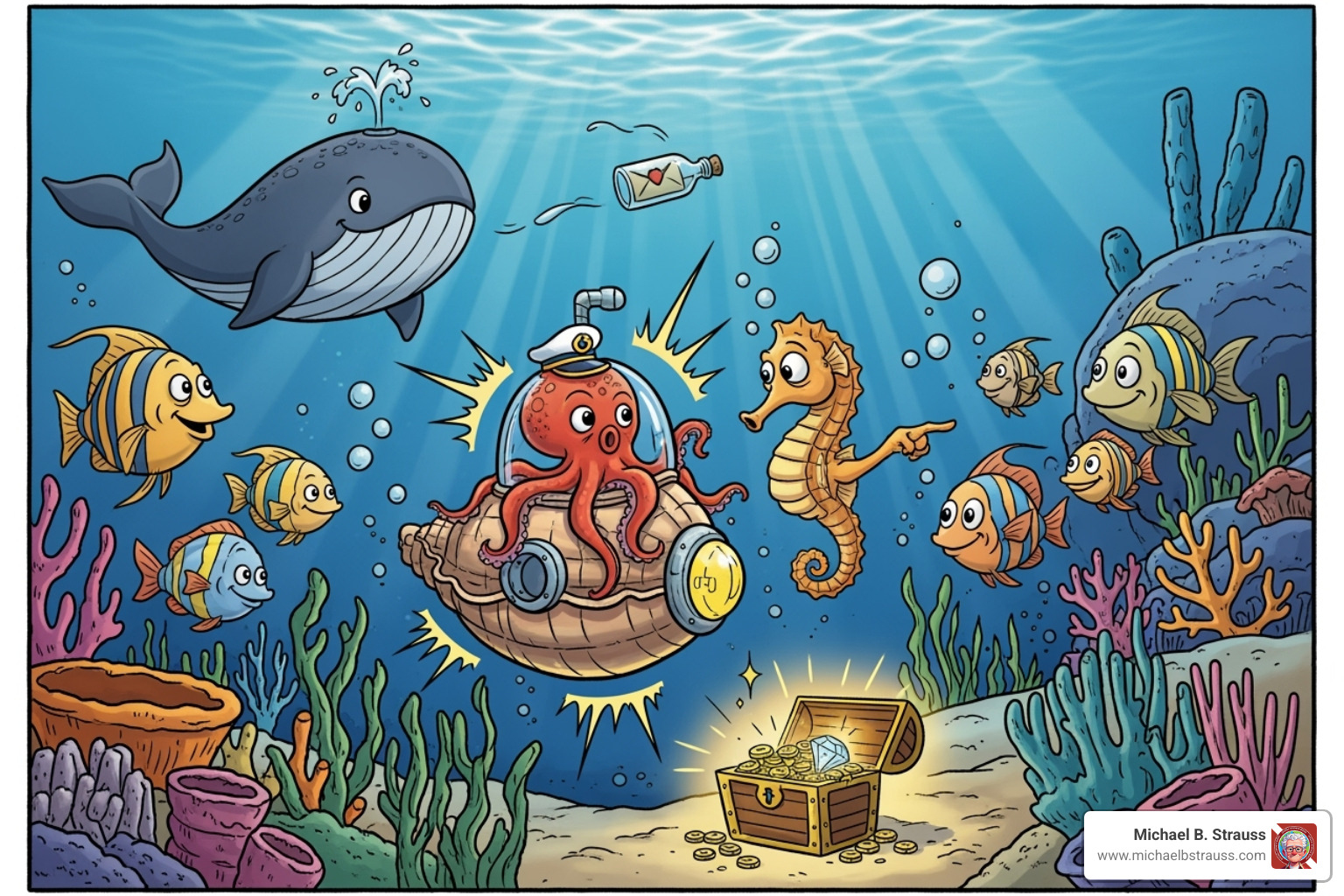
Even established comic universes like DC Comics feature characters connected to marine biology, from Aquaman to fictional marine biologist Dr. Marlene Simmonds. While these portrayals are fantastical, they can spark genuine curiosity about real marine science.
The Future of Marine Biology Comics and SciComm
The future looks incredibly bright for marine biology comics as powerful tools for science communication. These visual stories are breaking down barriers between complex research and public understanding, making ocean literacy more achievable than ever before.
For creators, the journey involves both challenges and tremendous rewards. The time-intensive process of research, creation, and fact-checking can be demanding, but seeing comics integrated into textbooks, museum exhibits, and classrooms makes every effort worthwhile. These comics support the entire marine science community - scientists gain new ways to share their research, educators get engaging teaching tools, and students find that learning about marine life can be genuinely fun.
The growing collaboration between marine biologists and artists promises exciting developments ahead. As climate change creates increasingly complex challenges for marine ecosystems, comics will play a vital role in helping people understand these intricate relationships. Just as marine organisms must adapt to changing conditions, and just as divers must understand why decompression sickness can occur to safely explore underwater environments, comics help us grasp these complex physiological and ecological connections.
We're likely to see even more innovative approaches emerging - from interactive digital comics to augmented reality experiences that bring marine life directly into classrooms and living rooms. The versatility of the comic medium continues to surprise us, whether through highly detailed scientific infographics or adventure-driven narratives that inspire ocean conservation action.
Conclusion: The Deep Dive Doesn't End Here
Our exploration of marine biology comics has taken us through an incredible world where scientific findy meets creative storytelling. From Garfield Kwan's laugh-out-loud Squidtoons to the inspiring scientist spotlights in Interviews with Invertebrates, we've seen how talented creators are changing the way people connect with ocean science.
These comics do something truly special - they make the vast, complex world beneath the waves feel accessible and exciting. Whether it's understanding coral bleaching through PHD Comics or learning about cone snail toxins through underdone comics, these visual stories stick with us in ways that textbooks often can't match.
Ocean literacy has never been more important than it is today. Our oceans face unprecedented challenges, and the more people understand and care about marine ecosystems, the better equipped we'll be to protect them. Marine biology comics serve as bridges, connecting curious minds to the wonders of underwater life while fostering genuine appreciation for ocean conservation.
The beauty of learning about our oceans is that there's always more to find. Just as these comics reveal hidden depths of marine biology, understanding the science behind our underwater adventures becomes equally fascinating. For those drawn to explore the ocean through scuba diving, safety knowledge forms the foundation of every great dive experience.
Dr. Michael B. Strauss brings decades of expertise in diving safety to help underwater explorers steer both the wonders and the science of the deep. His comprehensive approach to diving education ensures that every adventure beneath the surface is both thrilling and secure. The same curiosity that drives us to enjoy marine biology comics can lead us to appreciate the intricate science of diving physiology and safety protocols.
Ready to dive deeper into the science that keeps divers safe? Get your copy of Diving Science Revisited to explore the fascinating world of underwater physiology and safety. Whether you're inspired by comic book sea creatures or planning your next underwater adventure, the ocean's mysteries are waiting to be explored safely and responsibly.
DISCLAIMER: Articles are for "EDUCATIONAL PURPOSES ONLY", not to be considered advice or recommendations.


