What Is Seasickness and Why Does It Happen?

Seasickness prevention methods are strategies that help your body and brain stay in sync when the sea is rough. Here is a quick overview of the most effective ones:
- Choose your position wisely - Stay mid-ship, near the waterline, and on deck.
- Fix your gaze on the horizon - Align your visual input with your inner ear.
- Eat light and stay hydrated - Choose bland foods and low-acidity drinks.
- Try natural remedies - Use ginger or P6 acupressure wristbands.
- Use medication proactively - Apply patches or take antihistamines before symptoms start.
- Minimize head movement - Rest your head and avoid screens.
- Get fresh air - Stay topside and away from strong odors.
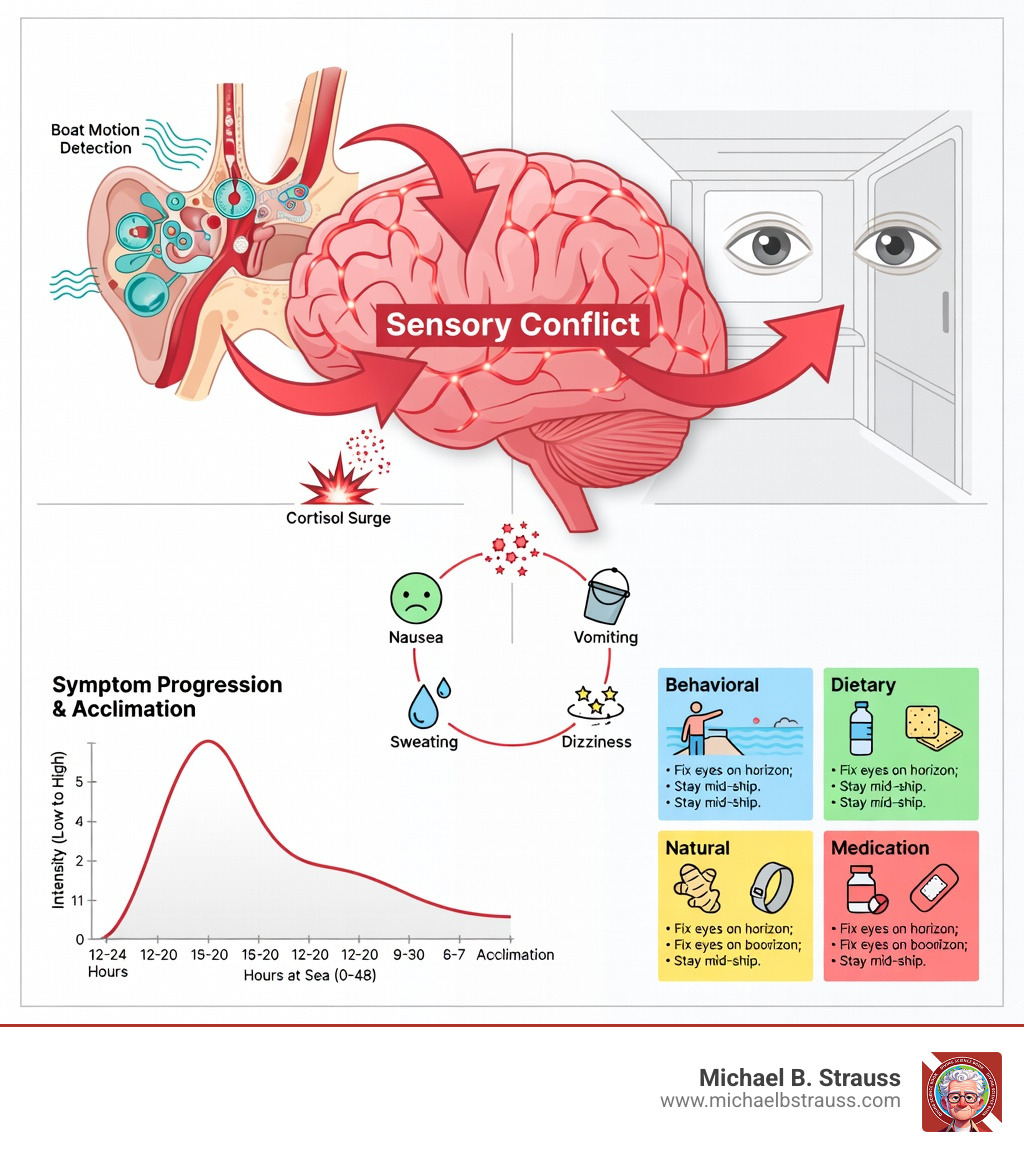
Imagine being below deck while the hull rolls. Your inner ear senses movement, but your eyes see a still cabin. This mismatch between physical sensation and visual input triggers seasickness. This sensory conflict causes a cascade of stress hormones leading to nausea, dizziness, and sweating.
It is a common issue. Studies show 24% of airline passengers and 28% of bus passengers report motion-related nausea. On the water, these numbers often rise. Fortunately, the body usually adapts within 12 to 24 hours as the brain learns to reconcile these signals. This guide covers every proven method to prevent it.
Terms related to seasickness prevention methods:
Proven Seasickness Prevention Methods for Every Traveler
Effective seasickness prevention methods require a comprehensive approach. Motion sickness arises from a disagreement between your vestibular system (inner ear balance), your eyes, and your sensory nerves. According to the National Ocean Service (NOAA), this conflict triggers stress hormones and malaise.
Research shows children aged 5 to 12 and women are often more susceptible. People with migraines or vestibular issues also face higher risks. However, anyone can be affected if the motion is severe enough.
Behavioral Seasickness Prevention Methods and Positioning
Positioning is one of the most effective seasickness prevention methods. The goal is to minimize motion and synchronize visual input with movement.
- Find the Sweet Spot: Stay mid-ship and near the waterline. This area experiences the least pitch and roll, much like the center of a seesaw remains stable while the ends move.
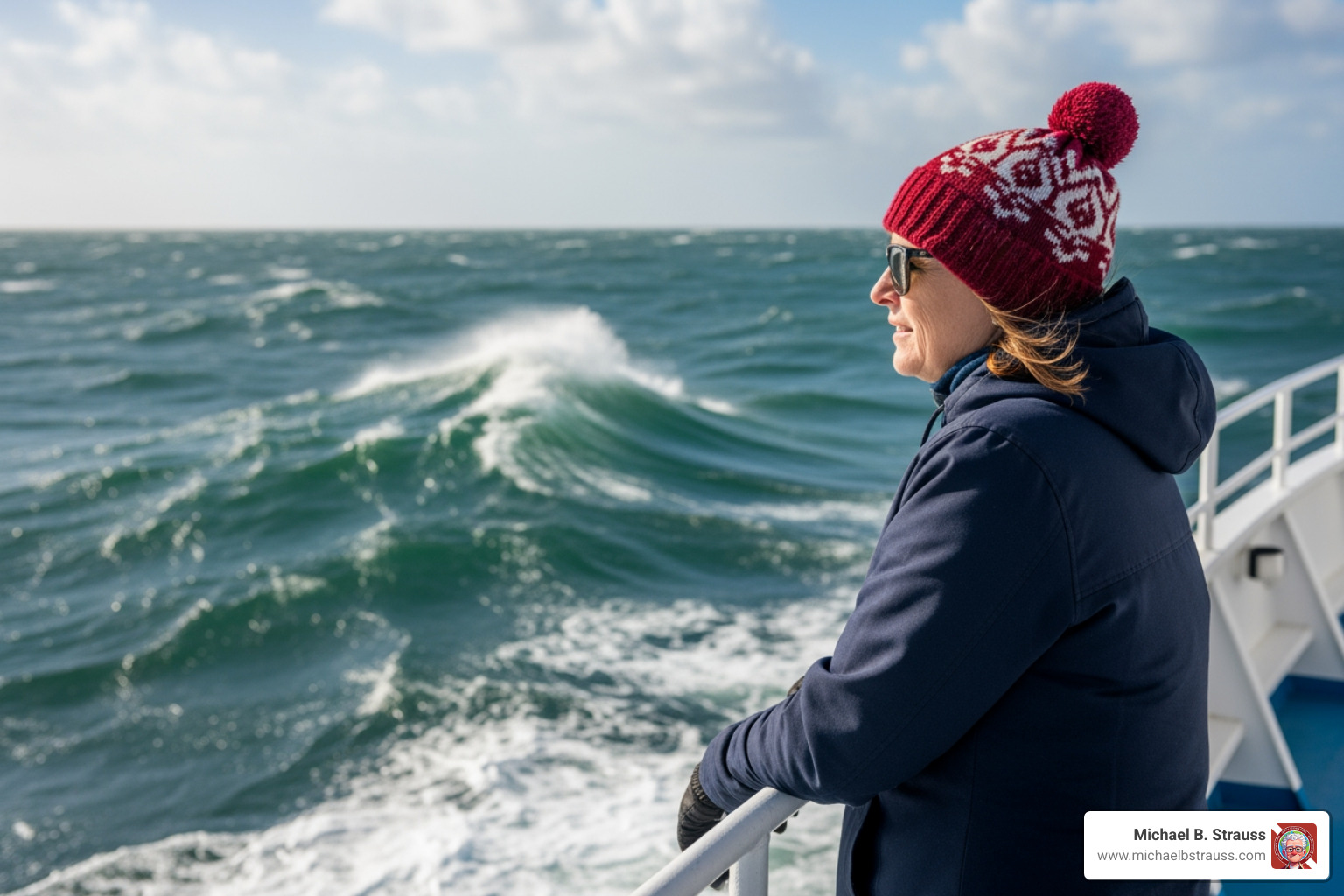
- The Horizon Gaze: Looking at the horizon provides a stable reference point that matches what your inner ear feels.
- Stabilize Your Head: Lean your head against a headrest to minimize movement.
- Avoid Close Work: Reading or scrolling through a phone forces your eyes to focus on a stationary object while your body moves, worsening the conflict.
- Take the Helm: Steering the vessel helps the brain anticipate motion. If you feel queasy, ask to take the wheel or stand near the helm.
- Fresh Air: Staying topside provides fresh air and keeps you away from triggering smells like diesel or fish bait.
A study on public road transport found that forward vision is key to reducing symptoms. This applies to cars (front seat), planes (over the wing), and trains (forward-facing seats).
Dietary and Natural Seasickness Prevention Methods
Hydration is KeyDehydration worsens nausea. Sip cold water or low-acidity juices like apple juice. Avoid coffee or orange juice, which can irritate the stomach.
Eat Light and OftenGraze on bland, low-fat foods like crackers or pretzels. Avoid heavy, spicy, or greasy meals before sailing.
The Power of GingerGinger is a classic among seasickness prevention methods. Whether as capsules, snaps, or ale, it helps settle the stomach. While clinical results vary, many travelers find it effective and safe.
Acupressure WristbandsThese bands stimulate the P6 (Neiguan) point on the wrist. While scientific evidence is mixed, many find them a helpful, drug-free option.
| Method | How it Works | Pros | Cons |
|---|---|---|---|
| Ginger | Settles the stomach. | Natural, multiple forms. | May cause mild heartburn. |
| Acupressure | Stimulates the P6 point. | Drug-free, reusable. | Effectiveness varies. |
| Bland Crackers | Absorbs stomach acid. | Safe and easy to find. | Not for severe cases. |
Effective Medications and Medical Interventions
Pharmacological seasickness prevention methods must be used before symptoms start. Once vomiting begins, medication absorption is difficult.
Over-the-Counter (OTC) Options
- Dimenhydrinate (Dramamine): Effective but causes significant drowsiness.
- Meclizine (Bonine): Often less sedating than Dramamine.
Prescription Solutions
- Scopolamine (Transdermal Patch): The gold standard for long trips. Apply it behind the ear four hours before travel. It lasts three days but may cause dry mouth or blurred vision.
According to a clinical review of motion sickness, scopolamine is a top recommendation for those needing to stay alert. Only first-generation antihistamines work; non-drowsy allergy meds like Claritin are ineffective for motion sickness.
Special Considerations for Children and Vulnerable Travelers
Paradoxical HyperactivityAntihistamines can occasionally make children hyperactive rather than sleepy. Always perform a "test dose" at home first.
Safety FirstFor children, prioritize behavioral strategies like looking out the window or napping. Consult a pediatrician for correct dosages of dimenhydrinate for kids over age 2.
Other Vulnerable Groups
- Pregnant Women: Consult an OB-GYN before taking any medication.
- Older Adults: Seniors may be more sensitive to scopolamine side effects like confusion.
- Migraine Sufferers: Proactive prevention is essential due to the strong link between migraines and motion sickness.
For more on aquatic safety, visit Alberta Health Services.
Long-Term Habituation and Recovery Strategies
Seasickness is usually temporary. Through "habituation," the brain adapts to conflicting signals, typically within 12 to 24 hours. Experienced sailors often spend the first night on the boat at the dock to help the body acclimate gradually.
What to Do if You Get SickIf seasickness prevention methods fail:
- Don't Fight It: Vomiting often provides immediate, temporary relief.
- Stay Leeward: Always go to the downwind side of the boat so the wind doesn't blow waste back onto you.
- Keep Hydrated: Take small sips of water to prevent dehydration.
- Stay Out of the Cabin: Fresh air and a view of the horizon are essential.
Expert Insights on Diving Safety
Scuba diving is thrilling, but safety is paramount. Seasickness is a major concern for divers because vomiting through a regulator is dangerous, and dehydration increases decompression sickness risks.
Dr. Michael B. Strauss, a renowned expert in diving safety, offers invaluable insights in his comprehensive diving books. These resources are essential for both novices and experienced divers. By understanding how our bodies react to the aquatic environment, we can better prepare for the sea's challenges.
Mastering seasickness prevention methods is vital for any diver. For in-depth knowledge, explore Michael B. Strauss's work on diving science. Proactive adjustments and smart choices will help you enjoy the beauty of the open ocean safely.
Additional Resources:
To further enhance your knowledge of aquatic safety and diving physiology, you can purchase the book "Diving Science Revisited" here: https://www.bestpub.com/view-all-products/product/diving-science-revisited/category_pathway-48.html
DISCLAIMER: Articles are for "EDUCATIONAL PURPOSES ONLY", not to be considered advice or recommendations.


